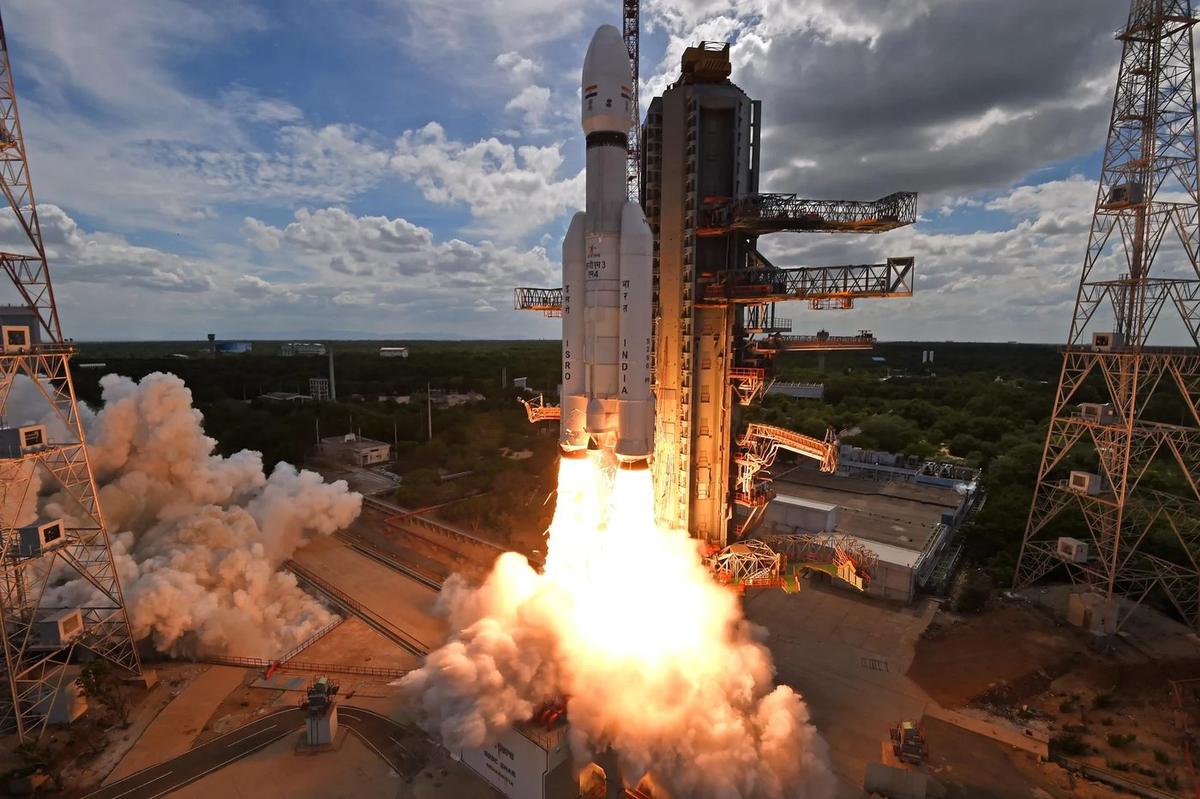
Photo: LVM3 launch, Sriharikota, ISRO, GODL-India

APPSC Group-I Mains 2020 · Paper V
2020 Paper V · Q4(b): model answer
Science, Technology & Environmental Issues · Energy: conventional and renewable. Held in December 2020 (Notification 27/2018).
What is "Clean Energy"? List the sources of clean energy and explain how they work. Which of these sources can be used or are already widely used in India?
Syllabus: Energy: conventional and renewable · Renewable energy
Clean energyRenewable sourcesNon-fossil capacityEnergy transition
Clean energy is energy produced with little or no emission of greenhouse gases and air pollutants at the point of generation. It covers renewable sources that nature keeps replenishing (sunlight, wind, flowing water, biomass, the Earth's heat and the ocean) and low-carbon nuclear power; green hydrogen made with renewable power is a clean energy carrier. India's non-fossil sources crossed 50% of installed power capacity in June 2025.
| Source | How it works | Use in India |
|---|---|---|
| Solar | Photovoltaic cells turn light into electricity; CSP mirrors heat a fluid to run a turbine | 171 GW: widely used (parks, rooftops, farm pumps) |
| Wind | Wind turns blades; a generator converts the rotation into power | 59.2 GW: widely used; 4th in the world |
| Hydro | Falling water spins turbines; pumped storage acts as a "water battery" | Large 52.1 GW, small 5.2 GW: widely used |
| Bioenergy | Burning, gasifying or digesting biomass and waste (bagasse, biogas, CBG) | 11.75 GW: in use, mostly sugar mills |
| Nuclear | Heat from fission raises steam | 8.78 GW: in use; 100 GW goal by 2047 |
| Geothermal | Underground heat produces steam | Potential about 10.6 GW; first project (ONGC, Puga, Ladakh) under development |
| Ocean | Tides, waves or warm–cold water difference drive turbines | Research stage (Gulf of Khambhat, Lakshadweep) |
1. How the main sources work
- Solar photovoltaic: light frees electrons in silicon cells (the photovoltaic effect), giving direct current that inverters convert for the grid. Concentrated solar power needs clear skies but can store heat in molten salt.
- Wind: power rises with the cube of wind speed, so taller towers and offshore sites yield far more; no turbine can capture over 59.3% of the wind's energy (Betz limit).
- Hydro and storage: water stored behind dams gives flexible peak power; pumped storage lifts water uphill when power is surplus and releases it at peak.
- Bioenergy: crop residue, bagasse and city waste are burnt or digested to produce power, biogas and compressed biogas, which also cuts stubble burning.
- Nuclear, geothermal and ocean: all three run day and night; nuclear is mature, while geothermal and ocean energy remain costly and site-specific.
2. Which are widely used in India
- Solar and wind lead: total renewable capacity reached 299 GW (September 2026), with India 3rd in the world; schemes such as PM-KUSUM and PM Surya Ghar (rooftop solar for 1 crore homes) take solar to farms and homes.
- Hydro and bioenergy are long established; nuclear supplies firm low-carbon power.
- Capacity is not generation: non-fossil sources gave only about 29% of electricity in 2025-26, because solar works only by day and wind is seasonal.
3. Sources that can be used more
- Offshore wind (30 GW by 2030; first 1 GW off Gujarat and Tamil Nadu), green hydrogen (5 million tonnes a year by 2030), battery and pumped storage, small modular reactors, geothermal (policy notified in 2025) and compressed biogas.
- Hurdles: intermittency and grid strain, land, imported minerals and solar wafers, and weak finances of distribution companies.
AP angle: the AP Integrated Clean Energy Policy, 2024 targets 78.5 GW of solar and 35 GW of wind. The ultra mega solar parks at NP Kunta (Ananthapuram-I) and Gani–Sakunala (Kurnool) are running, and Greenko's Pinnapuram project combines pumped storage with solar and wind.
Schematic map of Andhra Pradesh (2011 census district outlines), not to scale; for study only.
India's goal of 500 GW non-fossil capacity by 2030 is within reach; storage, transmission and domestic manufacturing will decide whether clean capacity becomes clean, round-the-clock energy security.
The other choice in Q4
Answer either one in the exam.
- Q4(a)What is nuclear energy? At the end of 2019, seven nuclear reactors were under construction in India, with a combined capacity of 5.4 GW. What are the advantages and disadvantages of using nuclear energy in India? What is the NPT and how does this impact India which is not a member of the NPT?
10 marks · Space, defence and nuclear technology · Nuclear technology and policy
Every model answer on these pages is free to read. The Tool Kit adds four PDF books for Mains Papers I–IV: every previous question sorted by syllabus, with practice questions. It is in the ₹149 All-in-One Pass, with every previous paper of every exam on the site, practice quizzes, timed tests, mock test series and study books.
₹149 · valid for 12 months from the day you pay, on every exam · pay by UPI, card or net banking