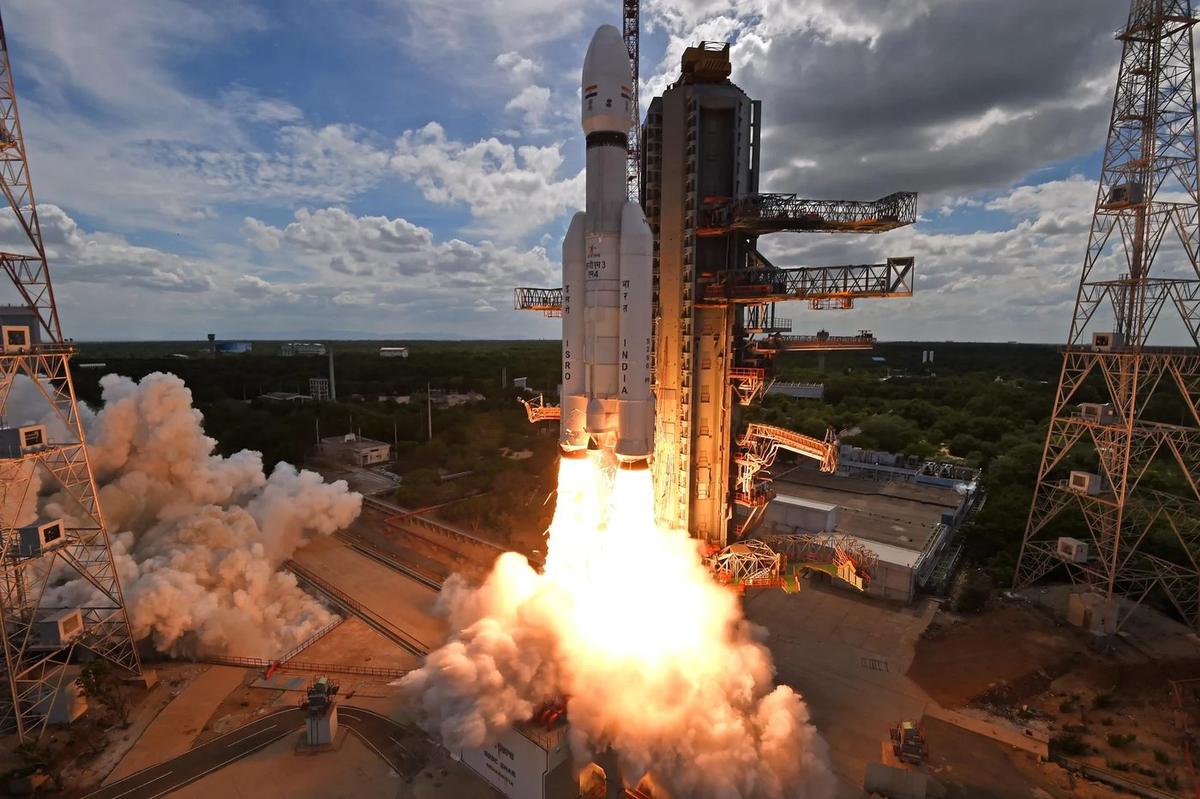
Photo: LVM3 launch, Sriharikota, ISRO, GODL-India

APPSC Group-I Mains 2023 · Paper V
2023 Paper V · Q4(b): model answer
Science, Technology & Environmental Issues · Energy: conventional and renewable. Held in June 2023 (Notification 28/2022).
What is Green Energy? Discuss about the Green Energy corridors and their need in India.
Syllabus: Energy: conventional and renewable · Renewable energy
Green energyGreen Energy CorridorGrid integrationIntermittency
Green energy is energy from natural, replenishable sources that emit little or no greenhouse gas: solar, wind, hydro, biomass and green hydrogen made with renewable electricity. India had about 299 GW of renewable capacity in September 2026, and non-fossil sources crossed half of installed capacity in June 2025. To carry this power from sunny and windy regions to cities, India is building Green Energy Corridors (GEC).
1. Green energy: promise and problem
- Promise: domestic, inexhaustible and cheap; it cuts fuel imports and emissions, supporting net zero by 2070.
- Variability: solar works only by day and wind is seasonal, so output swings sharply within a day.
- Location: the best sites are in Rajasthan, Gujarat, Tamil Nadu, Karnataka and Rayalaseema, often far from demand centres.
2. Green Energy Corridors
GECs are dedicated transmission lines, substations and control centres that evacuate renewable power from generation hubs and integrate it with the national grid.
| Phase | Scope | Status |
|---|---|---|
| GEC-I inter-state (POWERGRID, ₹11,369 crore) | 3,200 ckm of lines; about 6 GW, including the Ananthapur solar park | Commissioned March 2020 |
| GEC-I intra-state (8 States incl. AP, ₹10,141.68 crore) | 9,700 ckm planned; about 24 GW | 9,161 ckm built by March 2025 |
| GEC-II intra-state (7 States, ₹12,031 crore) | About 10,750 ckm as approved; about 20 GW | Approved January 2022; scheduled for March 2026 |
| GEC-II inter-state, Ladakh (₹20,773.70 crore) | 13 GW of renewables plus 12 GWh battery storage | Completion by 2029-30 |
- Funding: central grants (40% for GEC-I intra-state lines and the Ladakh project, 33% for GEC-II intra-state) plus loans from Germany's KfW and the ADB.
- Renewable Energy Management Centres (REMCs): forecast and monitor renewable output in real time; the southern REMC covers Andhra Pradesh's load despatch centre.
3. Why India needs them
- Geographic mismatch: without dedicated lines, power from remote parks cannot reach cities and industries.
- Balancing intermittency: a strong inter-regional grid smooths local swings; otherwise the midday solar surplus is curtailed and evening peaks are met by coal.
- Scale of targets: 500 GW non-fossil capacity by 2030 and 60% non-fossil capacity by 2035 (NDC 3.0) need transmission to keep pace, because lines take longer to build than solar parks.
- Investor confidence and cheaper power: assured evacuation lowers risk and tariffs.
- Energy security: less coal and imported fuel, and room for green hydrogen.
4. Challenges
Right of way, land and forest clearances (the main causes of delay), cost overruns, storage gaps and weak DISCOM finances slow the corridors.
Shaded: Rayalaseema districts with the richest solar and wind resources
Schematic map of Andhra Pradesh (2011 census district outlines), not to scale; for study only.
AP angle: AP was among the eight GEC-I States, and POWERGRID's GEC-I lines evacuate the 1,500 MW NP Kunta (Ananthapuram) solar park. The AP Integrated Clean Energy Policy 2024 (78.5 GW solar, 35 GW wind, 22 GW pumped storage) will need many more corridors.
Green energy is India's route to energy security and its climate goals, but there is no transition without transmission: timely corridors, storage and smart grid management will decide how fast clean power reaches every home.
The other choice in Q4
Answer either one in the exam.
Every model answer on these pages is free to read. The Tool Kit adds four PDF books for Mains Papers I–IV: every previous question sorted by syllabus, with practice questions. It is in the ₹149 All-in-One Pass, with every previous paper of every exam on the site, practice quizzes, timed tests, mock test series and study books.
₹149 · valid for 12 months from the day you pay, on every exam · pay by UPI, card or net banking