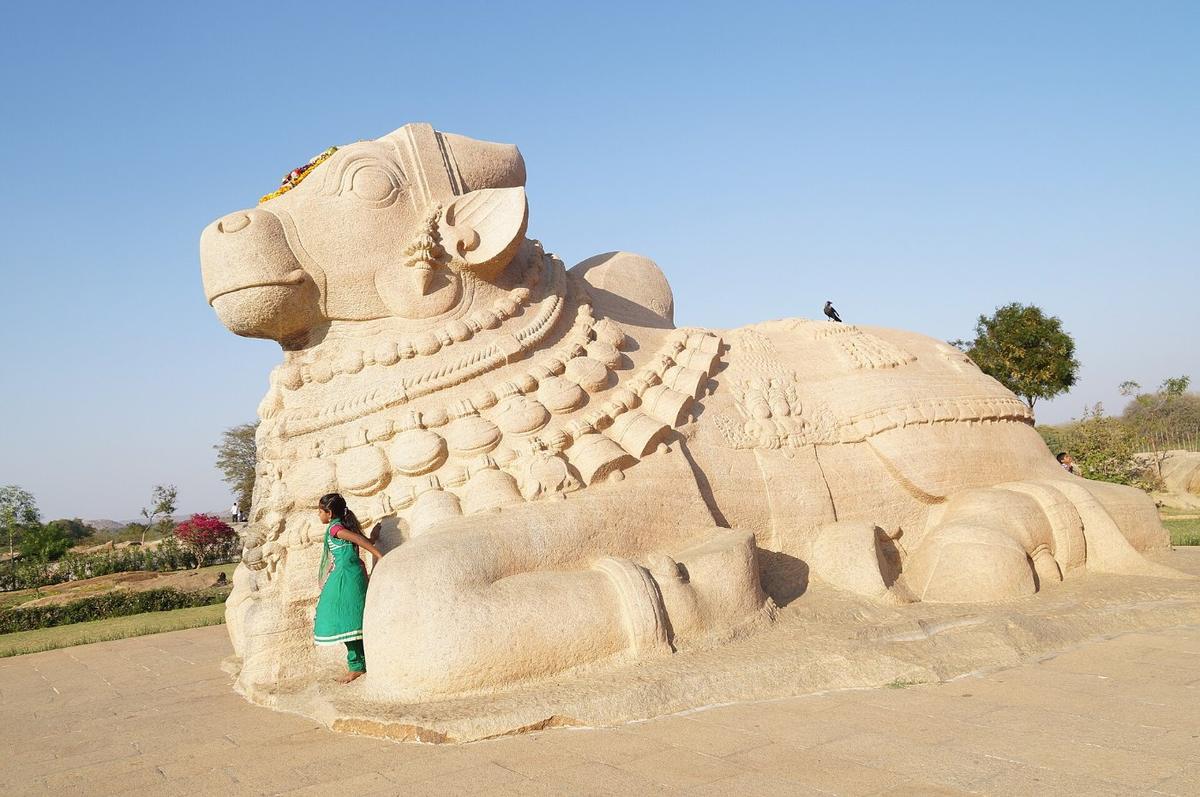
Photo: Lepakshi Nandi, Rahmanuddin, CC BY-SA 4.0

APPSC Group-I Mains 2025 · Paper II
2025 Paper II · Q14(a): model answer
History, Culture & Geography of India and Andhra Pradesh · Wildlife, Environment and Disasters. Held in May 2025 (Notification 12/2023).
Discuss the key aspects of wildlife conservation and biodiversity in Andhra Pradesh.
Syllabus: Wildlife, Environment and Disasters · Wildlife, forests and biodiversity
BiodiversityProtected areasEndemic speciesCommunity conservation
Andhra Pradesh combines the Eastern Ghats, mangroves, wetlands and a 1,053 km coastline, with forest cover over about 18.5% of its area (about 30,085 sq km, ISFR 2023). This variety of habitats supports rich biodiversity, including several endemic and threatened species. Conservation rests on a network of protected areas, strict laws and, increasingly, the participation of local and tribal communities.
1. Biodiversity of AP
- Ecosystems: dry deciduous and scrub forests of the Eastern Ghats, moist forests in the northern hills, the Godavari and Krishna mangroves, and wetlands such as Kolleru and Pulicat.
- Endemic and threatened species: red sanders, found only in the Seshachalam–Palakonda–Lankamala hills (IUCN Endangered); Jerdon's courser, rediscovered in 1986 near Lankamalleswara (Critically Endangered); the golden gecko of Tirumala; and Rollapadu sanctuary, set up for the Great Indian Bustard.
- Ecological services: mangroves act as bio-shields against cyclones and storm surges, while the forests of the Eastern Ghats protect river catchments.
- Other wildlife: tiger, leopard, the fishing cat in Coringa, blackbuck (the State animal), spot-billed pelicans at Nelapattu and olive ridley turtles nesting along the coast.
2. Protected area network
- National parks: Sri Venkateswara, Papikonda and Rajiv Gandhi (Rameswaram).
- Sanctuaries: Coringa, Krishna, Kolleru, Pulicat, Nelapattu, Rollapadu, Kambalakonda, Sri Lankamalleswara and Koundinya (elephants).
- Tiger reserve, biosphere reserve and wetlands: Nagarjunasagar–Srisailam Tiger Reserve, India's largest tiger reserve by area; the Seshachalam Biosphere Reserve (2010); and Kolleru, a Ramsar site (2002).
Schematic map of Andhra Pradesh (2011 census district outlines), not to scale; for study only.
3. Conservation measures
- Legal framework: the Wildlife (Protection) Act, 1972, Project Tiger and the Biological Diversity Act, 2002, with the AP Biodiversity Board and People's Biodiversity Registers.
- Community role: Chenchu tribals work as forest and tiger protectors in the Nallamala.
- Species protection: a special anti-smuggling task force guards red sanders.
- Ex-situ conservation: the Indira Gandhi Zoological Park (Visakhapatnam) and the Sri Venkateswara Zoological Park (Tirupati) support breeding and awareness.
- Habitat restoration: mangrove restoration, and removal of fish-tank encroachments in Kolleru ("Operation Kolleru", 2006).
4. Challenges
- Threats: red sanders smuggling, human–elephant conflict in Chittoor and Parvathipuram Manyam, aquaculture encroachment on wetlands and mangroves, mining, submergence by projects such as Polavaram, invasive species and climate change.
Strict protection combined with community participation and green livelihoods such as eco-tourism is key to conserving AP's biodiversity, in line with SDG 15 (life on land).
The other choice in Q14
Answer either one in the exam.
- Q14(b)Discuss the vulnerability of Andhra Pradesh to cyclones and floods, highlighting the causes, regional patterns, and impacts.
10 marks · Wildlife, Environment and Disasters · Cyclones, floods, droughts and disaster management
Every model answer on these pages is free to read. The Tool Kit adds four PDF books for Mains Papers I–IV: every previous question sorted by syllabus, with practice questions. It is in the ₹149 All-in-One Pass, with every previous paper of every exam on the site, practice quizzes, timed tests, mock test series and study books.
₹149 · valid for 12 months from the day you pay, on every exam · pay by UPI, card or net banking